



One of the first questions new students ask us is whether they should start with invasive or non-invasive aesthetic training. The honest answer depends on your background, your career goals and how much clinical experience you already have. This guide explains the difference so you can choose with confidence.
What is non-invasive aesthetic training?
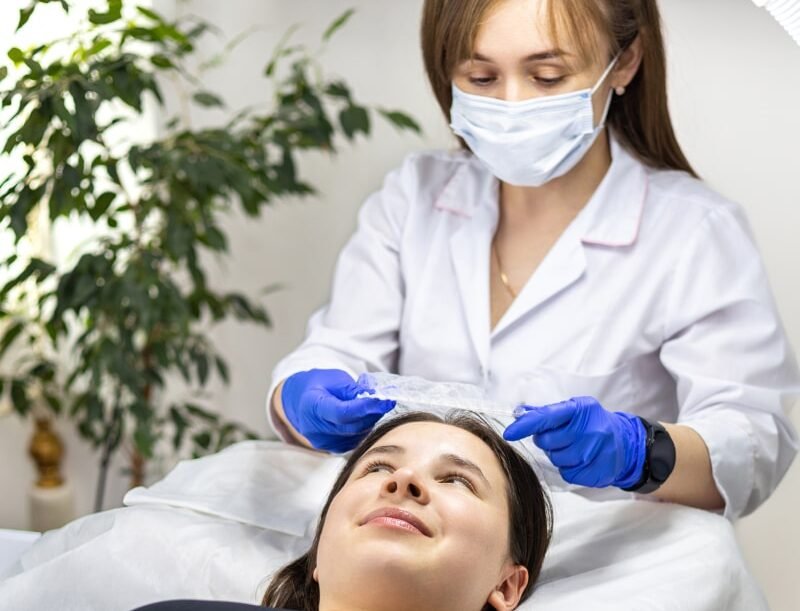
Non-invasive treatments work on the skin without breaking it in a significant way, or by using energy-based devices. Training typically covers skin assessment, HydraFacial, chemical peels, laser hair removal, carbon facials and other laser procedures, along with consultation and treatment planning.
Because the focus is on skin science and device safety, non-invasive training is a common starting point for beauty professionals, skin therapists and medical professionals who want a strong foundation before moving on. Our Non-Invasive Aesthetic Training Program combines theory, live observation and supervised practice.
What is invasive aesthetic training?
Invasive procedures involve injections or other techniques that go beneath the skin, such as botulinum toxin, dermal fillers, PRP and more advanced procedures. Training goes deeper into facial anatomy, including muscles, nerves and blood vessels, as well as patient selection, complication awareness and aftercare.
These courses are designed for healthcare professionals, and participation in certain procedures is subject to professional eligibility and applicable regulations. We offer a Basic Invasive Aesthetics Course for foundational skills and an Advanced Invasive Aesthetics Course for practitioners ready to build on them.
Key differences at a glance
- Who it suits: non-invasive courses suit a wider range of backgrounds, while invasive courses are aimed at qualified healthcare professionals.
- What you learn: non-invasive training centres on skin and devices, while invasive training centres on anatomy, injectables and procedural technique.
- Risk and responsibility: invasive work carries greater clinical responsibility, so supervision and anatomy knowledge are essential.
Which should you choose?
If you are new to aesthetics, starting with skin and non-invasive treatments builds the assessment skills every practitioner needs. If you are a doctor or nurse who wants to offer injectables, a basic invasive course is the logical first step, followed by advanced training once you are confident.
Many of our trainees combine both. Our Basic Aesthetic Diploma covers 18 modules across skin foundations, laser, facials and peels, regenerative treatments and skin tightening, giving you a broad base before you specialise.
Still unsure?
Every student’s background is different. Contact our team or call 0316 7312168 and we will help you choose the right course based on your qualifications and goals. You can also compare all options on our training programs page.
About the Lead Trainer
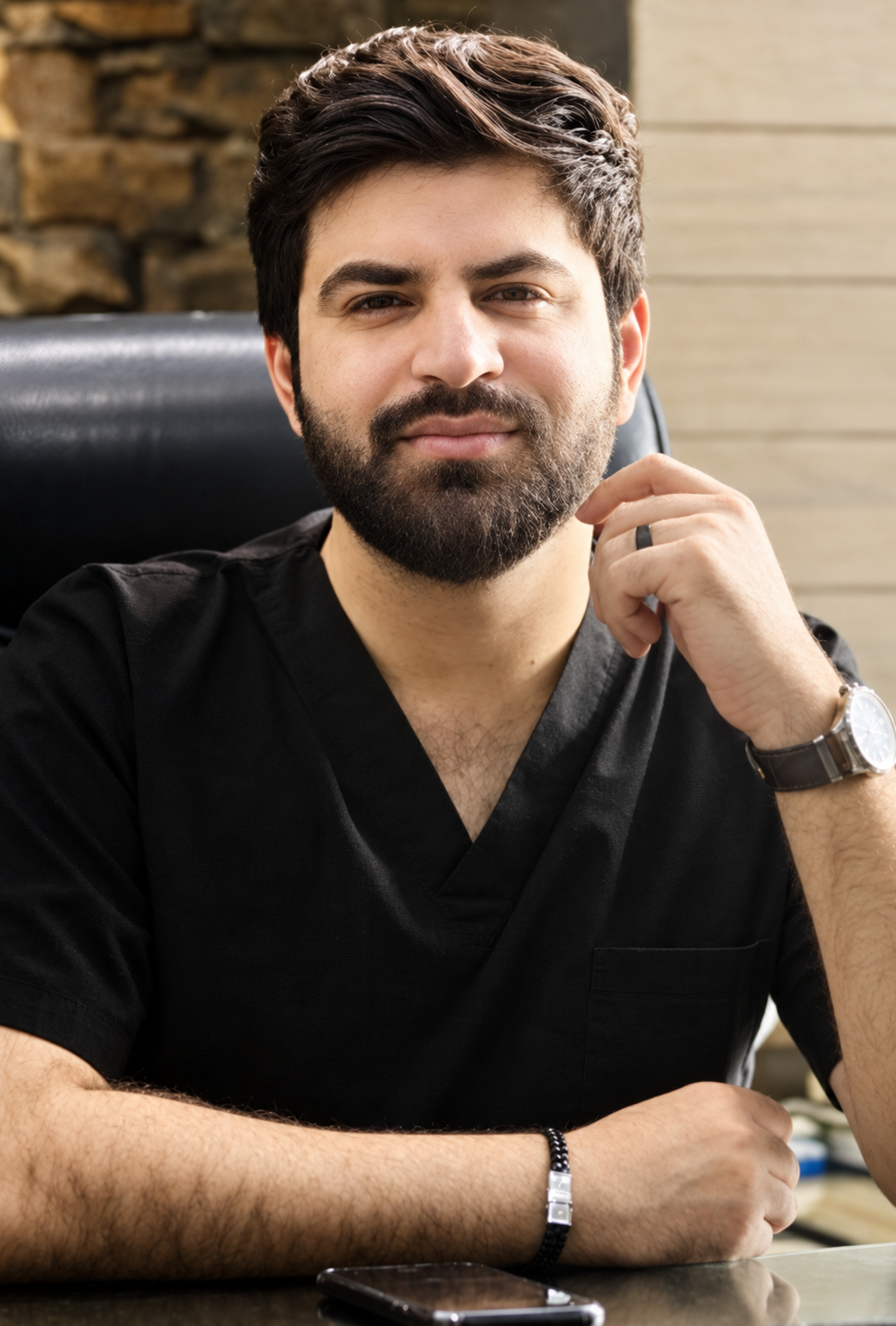
Dr. Sajid Sardar, MBBS
Dr. Sajid Sardar is an internationally certified aesthetic physician and trainer. He holds a Diploma in Advanced Aesthetics from the American Board of Medical Education, D. Derm (Dublin), IBME Diplomate status and a Master’s in Anti-Aging Medicine, and practises and teaches across the UAE and Pakistan.


